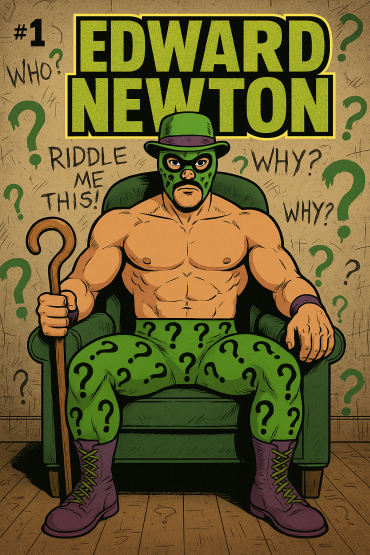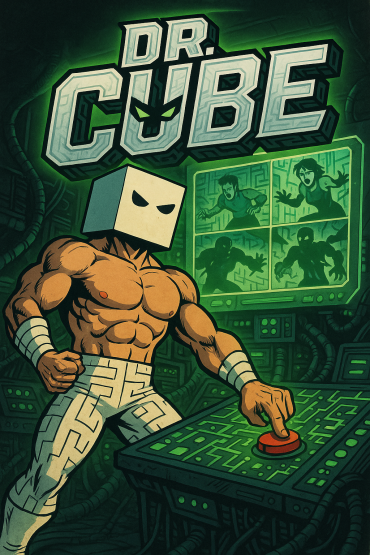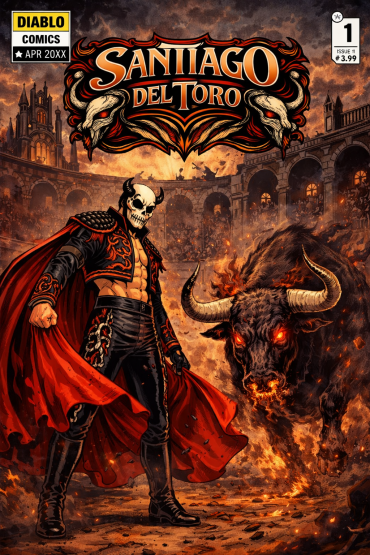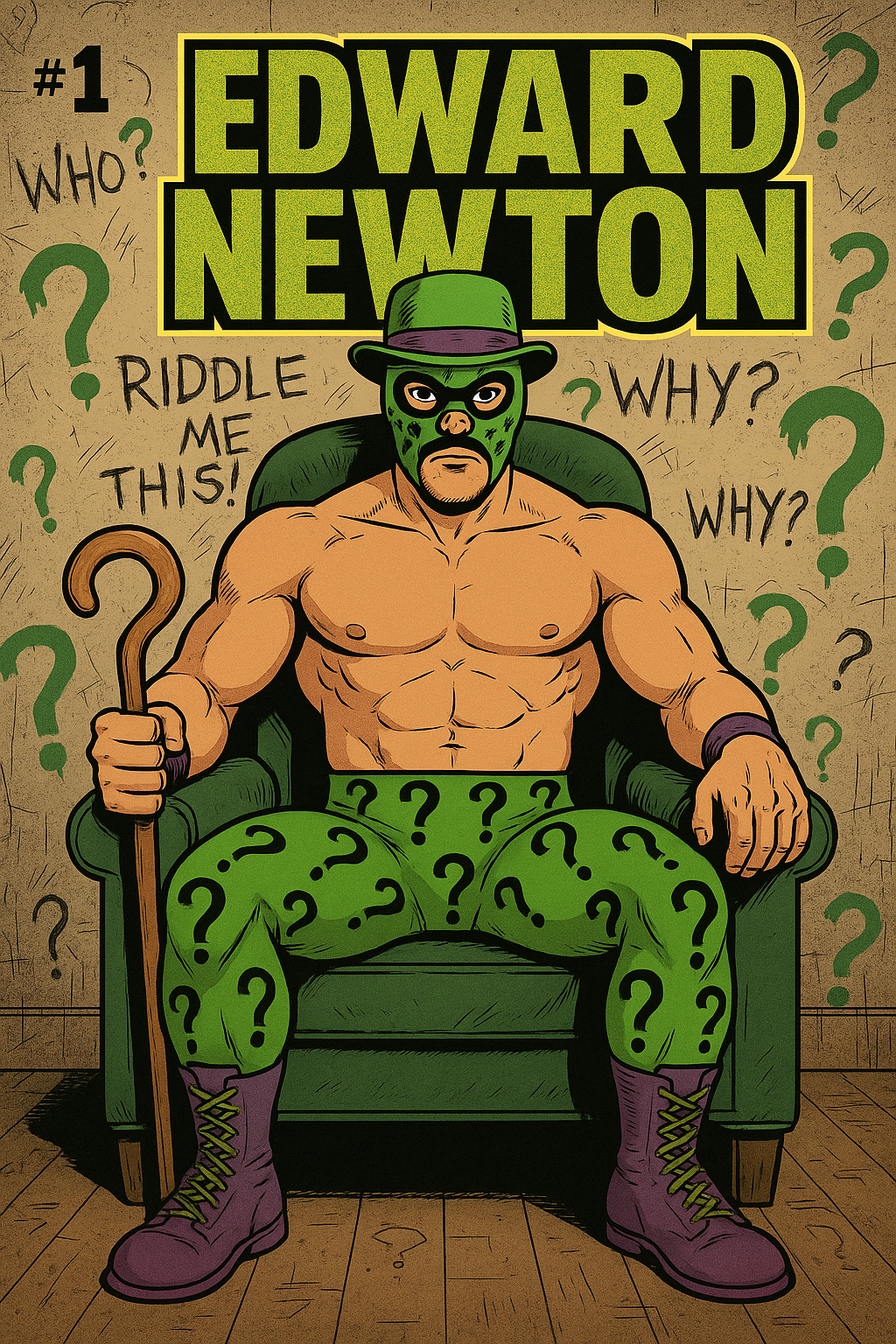
EDWARD NEWTON
THE WATCHER
The room was lightless except for the glow.
Dozens of monitors floated in the darkness like artificial stars, each one a window into Molvania: a late-night diner wiping down counters, a subway platform humming with impatience, an alley where steam climbed from a sewer grate like a tired ghost. Traffic cams. Store security. Private feeds acquired through methods best described as inevitable. The city breathed on those screens, unaware it was being watched.
Edward Newton sat perfectly still at the center of it all.
His posture was immaculate, hands folded, eyes unblinking. The light painted sharp angles across his face, giving him the appearance of something carved rather than born. He did not rush. He never rushed. Time, like people, behaved better when pressured correctly.
“Look at them,” he said softly, his voice precise, measured, as though every syllable had been weighed beforehand. “Scurrying. Repeating. Convincing themselves that motion is the same as purpose.”
On one screen, a man argued into a phone. On another, a woman laughed too loudly at something that wasn’t funny. A child kicked a stone down a cracked sidewalk, pretending it was something more important than it was.
Edward leaned forward slightly.
“Ants,” he continued. “Industrious. Predictable. Entire lives spent carrying fragments of a system they’ll never understand. They wake, they work, they sleep. They obey patterns so rigid they mistake them for freedom.”
He tapped a key. The feeds shifted, reorganized, snapping into a grid that resembled a chessboard more than a city. His lips twitched—not a smile, but something colder.
“Molvania believes it’s alive,” Edward said. “But it’s only functioning. That distinction matters.”
He rose from his chair, footsteps silent against the concrete floor. As he paced, his reflection fractured across the screens, multiplying him into dozens of versions—each watching, calculating.
“They think chaos arrives loudly. Sirens. Explosions. Violence without elegance,” he said. “That’s comforting. It makes danger obvious. Manageable.”
He stopped at a screen showing an empty temple. A ring. Ropes worn from use. Sweat-darkened canvas.
“No,” Edward whispered. “Real disruption begins quietly. With doubt. With a single question placed so carefully it rots the answer from the inside.”
He turned back to the center of the room, eyes gleaming now, alive with intent.
“I didn’t come here to destroy Molvania,” he said calmly. “I came to solve it.”
A pause. Deliberate. Heavy.
“They will feel it soon. In missed steps. In broken rhythms. In the moment they realize the rules they trusted no longer apply.” His voice dropped, intimate, almost kind. “Fear works best when it follows confusion.”
Edward lowered himself back into the chair, fingers steepled.
“Every riddle is a question,” he murmured, eyes scanning the city as if it were already surrendering. “I’m just the answer you didn’t want.”
The screens flickered.
And somewhere in Molvania, an ant hesitated—without knowing why.